Ways to Support Older Family Members Who Head Out Alone
Understanding the balance between independence and safety
Many older adults value their freedom to walk to the shops, meet friends, or simply enjoy a stroll. For families, this independence can bring a mix of pride and concern. The goal is not to restrict their movement but to put reasonable supports in place so they can continue their routines with less worry for everyone. This article walks through practical steps families can take, from simple communication habits to using technology like a medical alarm for elderly NZ, to help a loved one stay safe when they are out alone.
Start with an honest conversation
The first step is talking openly. Sit down with your older relative and ask about their typical day. Where do they go most often? How do they get there? Do they ever feel unsure or unsafe while out? The aim is to understand their perspective without making them feel pressured. Frame the discussion around your care for them, not a loss of control. You might say something like, “I want to make sure you can keep doing the things you enjoy, and I’d like to think through a few simple backups together.” Watch for signs that they feel talked down to or defensive; if that happens, slow down and listen more.
Map their usual routes and routines
Once you know their common destinations, you can help plan walking routes that are safe and familiar. Look for paths with good foot traffic, well-lit streets, and safe crossing points. If they drive, review the parking spots they use and check that the car is in good working order. For those who rely on public transport, go over the timetable and stops together. The key is to let them lead the planning; you are there to offer suggestions, not take over. A simple paper map or a note with key landmarks can be a quiet comfort if they ever feel lost.

Establish a simple check-in habit
A daily check-in can reassure both sides without feeling like surveillance. Agree on a time, perhaps just after they return from an outing, when they send a quick text or give a phone call. If they are not comfortable with phones, a pre-arranged call to a neighbour or a family member works just as well. The important thing is to keep it low-pressure. If they forget, wait a reasonable time before reaching out. Over time, this habit becomes second nature and provides a quiet safety net. For extra peace of mind, some families use a shared calendar or a simple note on the fridge where the person writes “out shopping” and the expected return time.
Consider a wearable device with GPS location
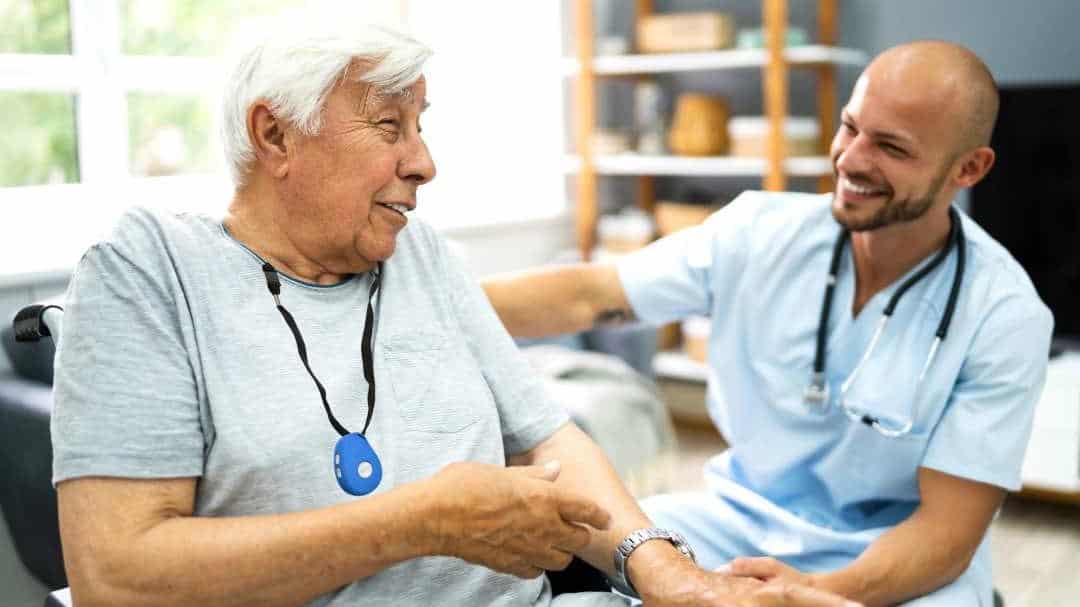
Technology can play a helpful role here. A medical alarm for elderly NZ that includes GPS location allows a loved one to summon help wherever they are, without needing to carry a phone or remember a number. These devices typically connect through the mobile network, so they work outdoors and in most buildings. When the wearer presses a button, a trained operator can see their location and talk to them through two way voice. If they cannot speak, the operator can still send help based on the geolocation. Families can also receive alerts, which adds another layer of quiet oversight.
When choosing a device, look for one that is comfortable to wear daily. Some are worn as a pendant, others as a wristband. The best fit is one your relative will actually put on every morning. Also check the battery life and whether the device needs charging or uses replaceable batteries. A device that is easy to forget or inconvenient to charge is less likely to be used when it matters.
Teach the basic features before they go out alone
Before your relative starts using a GPS medical alarm on their own, walk through the steps together. Practice pressing the SOS button and talking through the speaker. Let them hear how the operator responds. Many people feel more confident after a trial run. Explain that the device is not a substitute for their own judgment but a backup if something unexpected happens. Encourage them to wear it even on short trips to the letterbox or garden, because falls can happen anywhere. A fall detection feature can automatically trigger an alert if they cannot press the button themselves, which is a valuable addition for those who are unsteady on their feet.

Plan for common scenarios
Think through situations that could arise and agree on simple responses. If they feel unwell while out, they can find a bench or a shop, press the alarm, and let the operator know. If they get lost, the GPS location helps the operator direct them or send a family member. If they drop the device or it gets wet, have a backup plan such as carrying a card with emergency contact numbers in their wallet. The idea is to build confidence, not fear. Walk through these scenarios together so they know what to do without having to think hard in the moment.
Keep the lines of communication open
After the device is in use, check in regularly but casually. Ask how they are finding it. Is the strap comfortable? Do they remember to wear it? Have they ever needed to use it? If they mention a false alarm or a moment of confusion, treat it as useful feedback, not a failure. Adjust the settings or the routine as needed. The device is a tool, and like any tool, it works best when it fits the person’s life. Over time, the whole family gains a shared sense of calm. The older relative feels supported, not watched, and the rest of the family can go about their day with less worry.
Review and update the plan as needs change
A person’s health and habits can shift gradually. What works today might need tweaking in six months. Set a reminder to revisit the plan every few months. Does their walking route still feel safe? Is the device battery still holding a charge? Have they had any falls or close calls that suggest a change in mobility? If their confidence grows, you might reduce the check-in frequency. If they become more forgetful, you might add a reminder to wear the device. The aim is to keep the support in step with their life, not ahead of it and not behind.
Supporting an older relative who goes out alone is a careful dance between respect and practicality. By starting with open conversation, mapping routines, establishing simple check-ins, and choosing a GPS medical alarm that fits their lifestyle, families can create a safety net that feels natural rather than restrictive. The result is peace of mind for everyone, and the freedom for your loved one to keep living life on their own terms.